
Chronic rhinosinusitis with nasal polyps (CRSwNP)
Severe sinus disease and nasal polyps can now be put into remission.
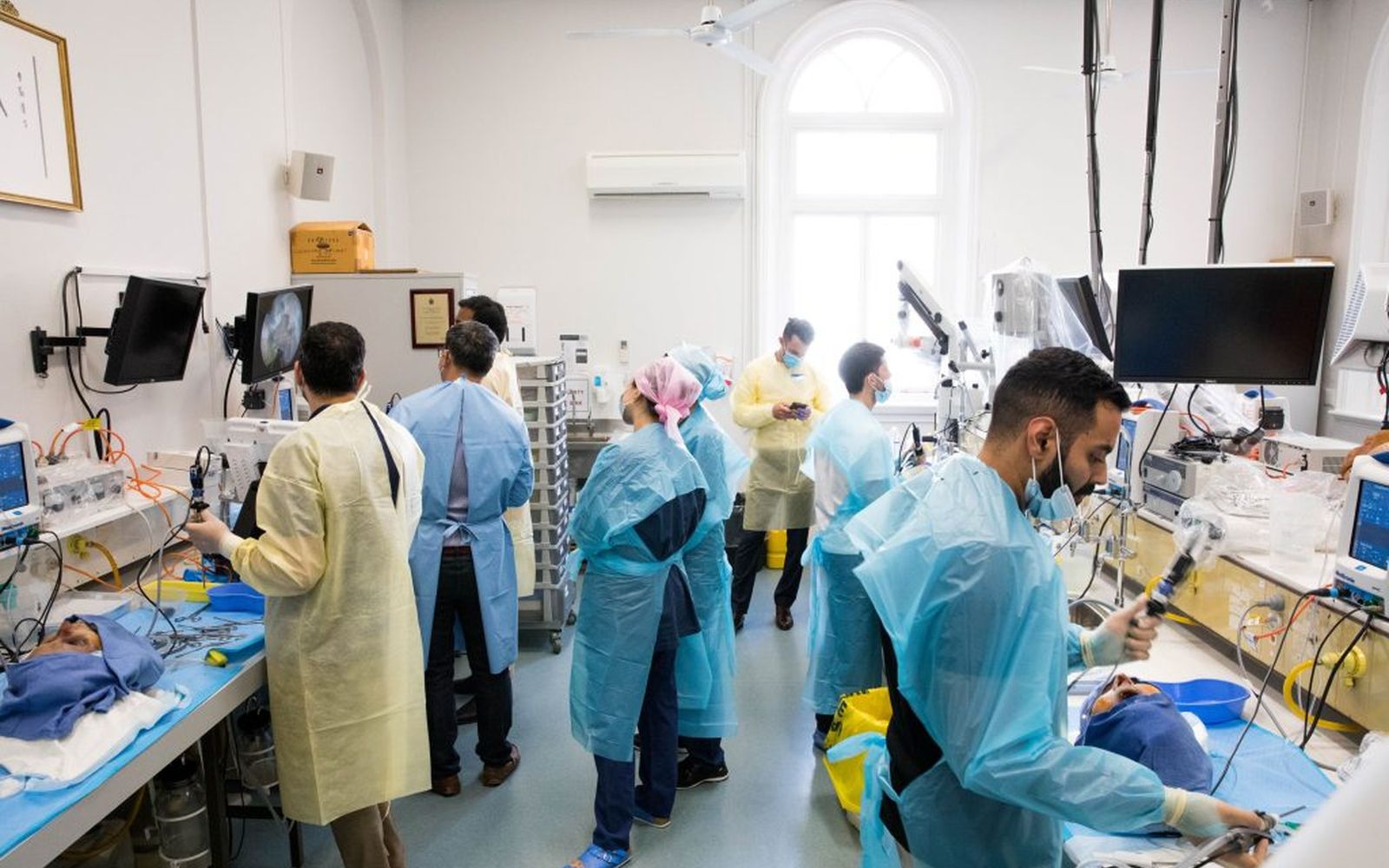
Blocked nose, lost smell, repeated prednisone, polyps that return after surgery — for years the aim was to make this bearable. It isn’t any more. When modern surgery, daily corticosteroid rinses and biologic medicines are used together, clinical remission is what we expect. One team provides all of it — medical and surgical, public and private.
An under-treated disease
Most people with severe polyps have never been offered the full range of treatment.
1 in 10
Australians report chronic rhinosinusitis — about 9.8% of the population.
National Health Survey 2017–18; ASCIA/ASOHNS 2021
60–80%
of people with chronic sinus disease have lost some or all of their sense of smell.
ASCIA/ASOHNS position paper 2021
2,500
Australians have started a PBS-funded biologic for nasal polyps since 2023 — a fraction of those who may qualify.
PBS DUSC review, February 2026
Does this sound like you?
- Blocked nose on both sides for more than three months
- Smell and taste faded or gone
- Thick mucus produced in the nose that congests and adds to the blockage; facial pressure
- Asthma that flares with your sinuses, or a reaction to aspirin or anti-inflammatories
- Prednisone works — then it all comes back
- Sinus surgery before, and the polyps have returned
New treatments for nasal polyps — and a new goal
Polyps are the end result of inflammation, not the disease itself. Surgery removes them; corticosteroid rinses and biologics stop them coming back. Used together, the expectation is remission: minimal symptoms, a clean cavity on endoscopy, no prednisone, no further surgery.
1 · Daily control
Corticosteroid rinses and sprays
High-volume saline with budesonide reaches where sprays can’t. Short prednisone courses have a place — but no more than two a year.
2 · Open the sinuses
Endoscopic sinus surgery
Removes polyps and opens the sinuses so rinses work. Done well, it is the foundation — not the end — of treatment.
3 · Switch off the inflammation
Biologic medicines
Injections every two to twenty-six weeks that stop polyps re-forming. Four are registered for polyps in Australia; mepolizumab is PBS-funded now and tezepelumab is next. We prescribe them here.
Patient-phrased answers: Do polyps grow back after surgery? · Is sinus surgery worth it? · What do biologics cost in Australia? · Can my smell come back?
How we work
One team. All of the care. Public or private.
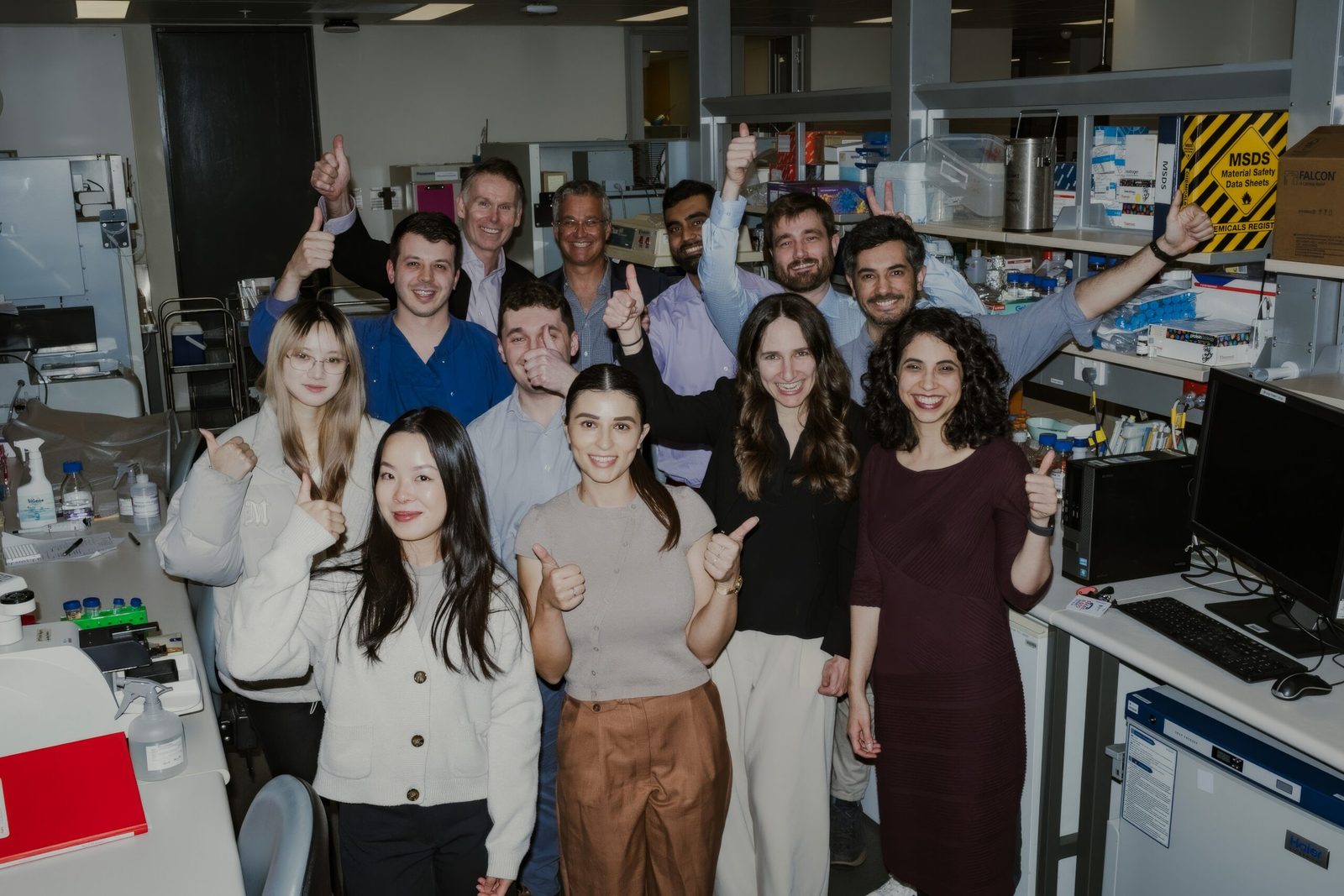
Severe polyp disease is usually split between specialties — a surgeon for the operation, a physician for the injections, nobody owning the whole plan. Here it isn’t. Prof Richard Harvey and Dr Peta Sacks start and manage every treatment — surgery, corticosteroid rinses and biologics — with the scientists of the Sydney Rhinology Research Group, in the public hospital or in private rooms, whichever suits you.
Not split between disciplines
We assess, operate, prescribe and monitor the biologic ourselves. No second referral, no waiting for another clinic to agree.
Public and private
The same surgeons at St Vincent’s Hospital (public), St Vincent’s Private and Macquarie University Hospital. Tell us which you prefer.
Clinicians and scientists together
The research group that runs Australia’s biologic registry for polyps sits inside the clinical team — what we learn, you get first.
For referring doctors
Refer severe or recurrent polyp disease directly to the Rhinology and Skull Base Service
One online referral and the whole plan sits with us — work-up, surgery, biologic initiation and monitoring. We arrange the FBC with eosinophils and CT sinuses if they haven’t been done. No onward referral to another specialty, no switchboard.
Urgent
Same day — Emergency Department and the ENT registrar on call, St Vincent’s Hospital (02) 8382 1111: sudden change in vision, double vision, swelling around the eye, or severe headache, confusion or drowsiness with a sinus infection. Do not use the online form.
Early review (weeks, not months): a polyp or mass on one side only, bleeding with the blockage, or facial pain or numbness. These do not need the Emergency Department, but they should not be assumed to be ordinary inflammatory polyps — refer online and tick the red flag, or phone the specialist centre.
Early review (weeks, not months): a polyp or blockage on one side only, bleeding with the blockage, or facial pain or numbness. These do not need the Emergency Department, but they should not be assumed to be ordinary polyps — see your GP and ask for the referral to be marked urgent.
For patients and families
How to access our care
Our service is reached through your doctor. Please see your GP — or the specialist who looks after your asthma or allergies — and ask for a referral to the Rhinology and Skull Base Service at St Vincent’s Hospital. Your doctor sends it to us directly with the scan and blood-test results we need, and the specialist centre will contact you with an appointment, public or private as you prefer.
Urgent
Same day — Emergency Department and the ENT registrar on call, St Vincent’s Hospital (02) 8382 1111: sudden change in vision, double vision, swelling around the eye, or severe headache, confusion or drowsiness with a sinus infection. Do not use the online form.
Early review (weeks, not months): a polyp or mass on one side only, bleeding with the blockage, or facial pain or numbness. These do not need the Emergency Department, but they should not be assumed to be ordinary inflammatory polyps — refer online and tick the red flag, or phone the specialist centre.
Early review (weeks, not months): a polyp or blockage on one side only, bleeding with the blockage, or facial pain or numbness. These do not need the Emergency Department, but they should not be assumed to be ordinary polyps — see your GP and ask for the referral to be marked urgent.
The team
The Rhinology and Skull Base Service at St Vincent’s Hospital Sydney. Two surgeons who treat severe polyp disease every week, in public and private practice. Each has a direct line.


Public and private, under one team
Both surgeons operate in the public system at St Vincent’s Hospital and privately at St Vincent’s Private and Macquarie University Hospital. Surgery is available either way. The biologic medicines described on this site are registered in Australia by the TGA, and mepolizumab is funded on the PBS for severe nasal polyps when combined with surgery and nasal corticosteroid care.
Research
The evidence behind the advice
The Sydney Rhinology Research Group runs the Australian Mepolizumab Registry for CRSwNP and publishes on polyp surgery, corticosteroid rinses and biologics. The guidance on this site is written by the people doing that work.